
Behind the Lens: Zion’s High Desert Geometry
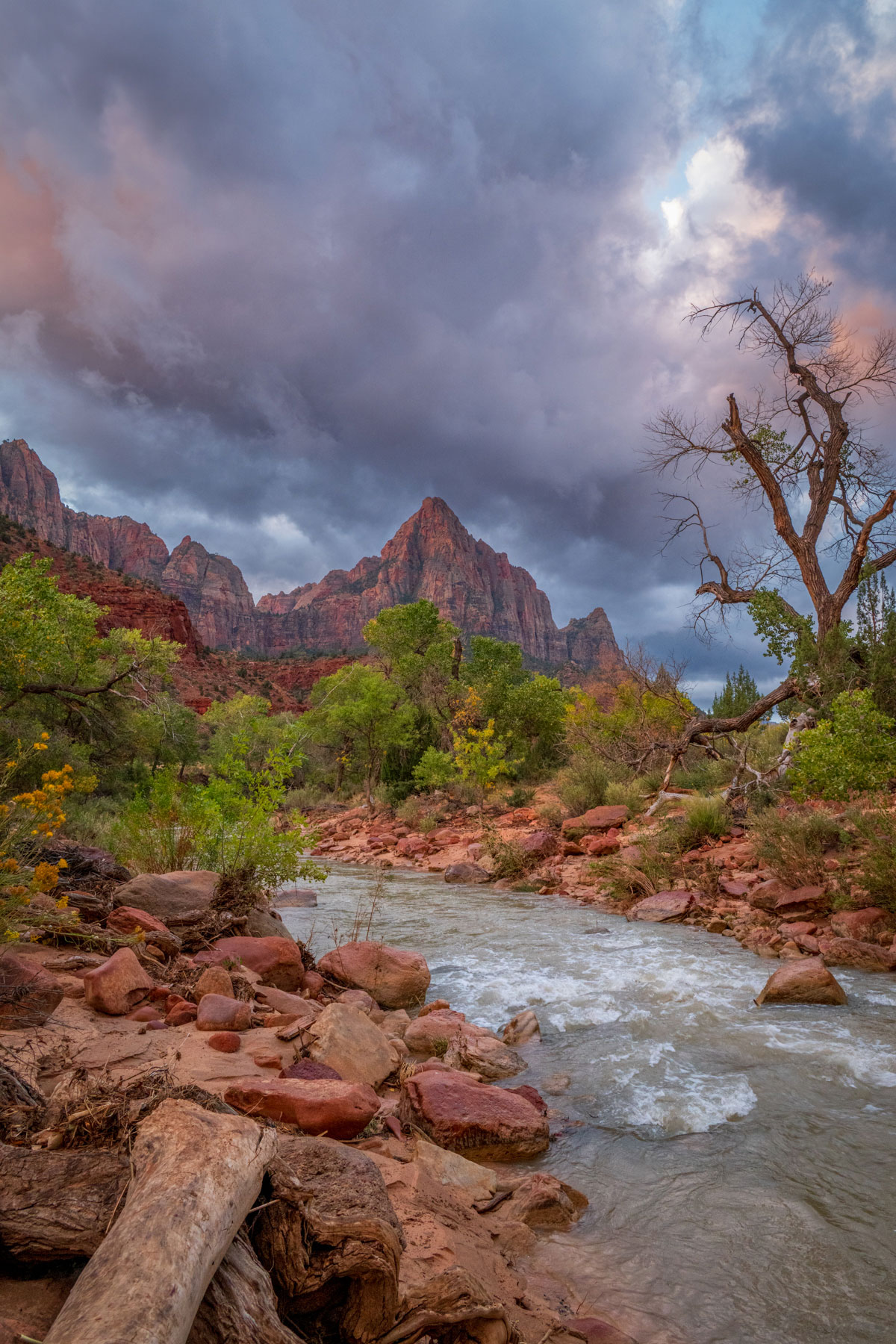
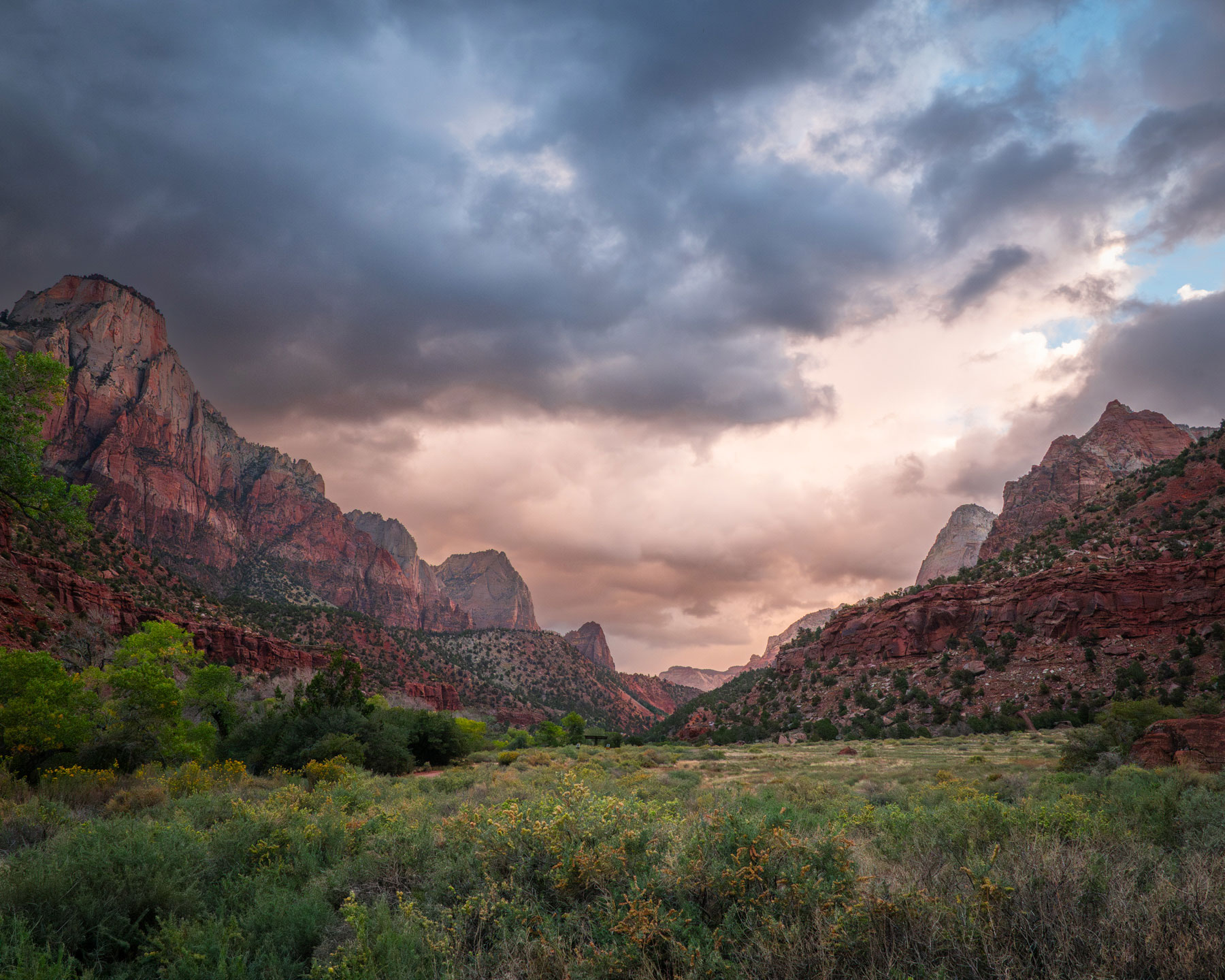
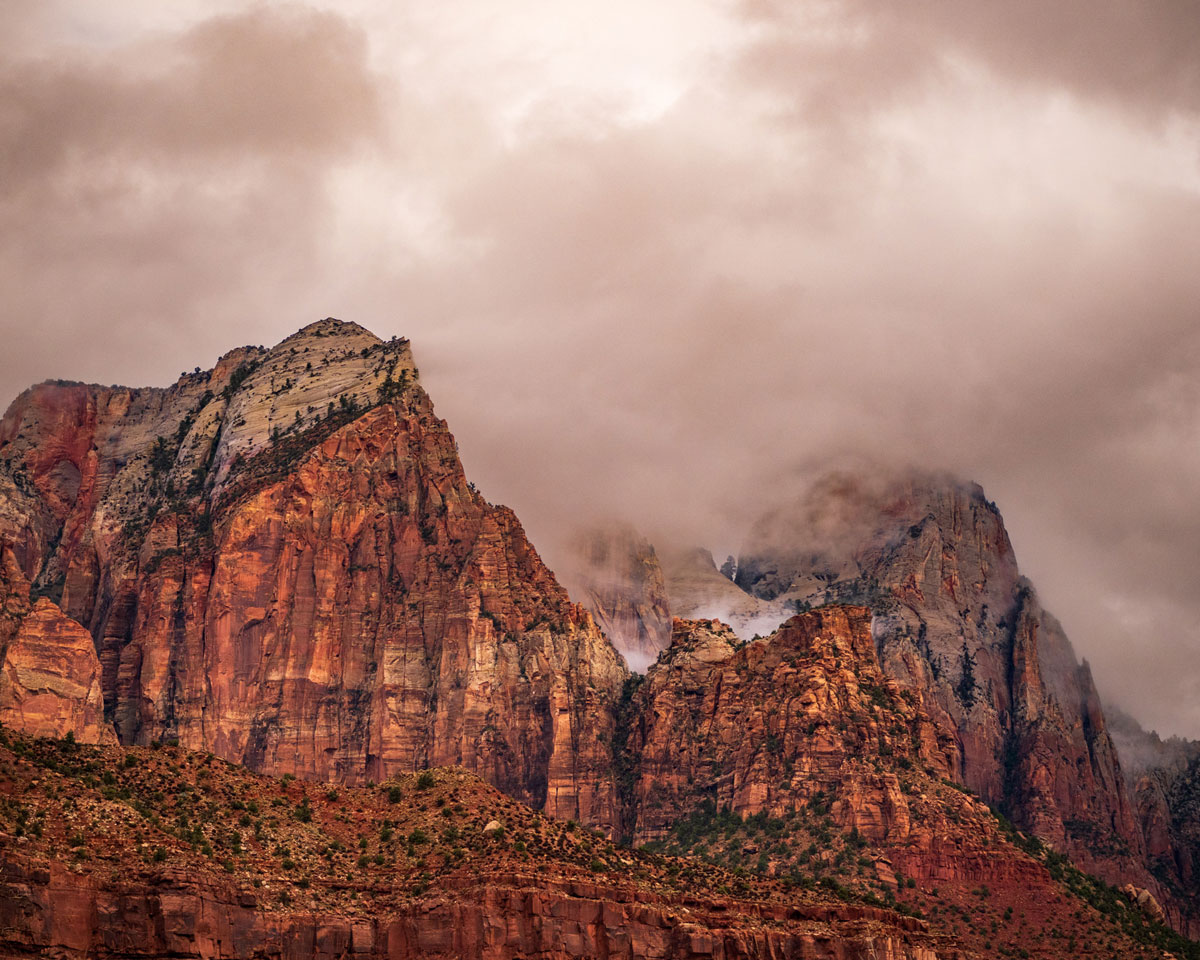
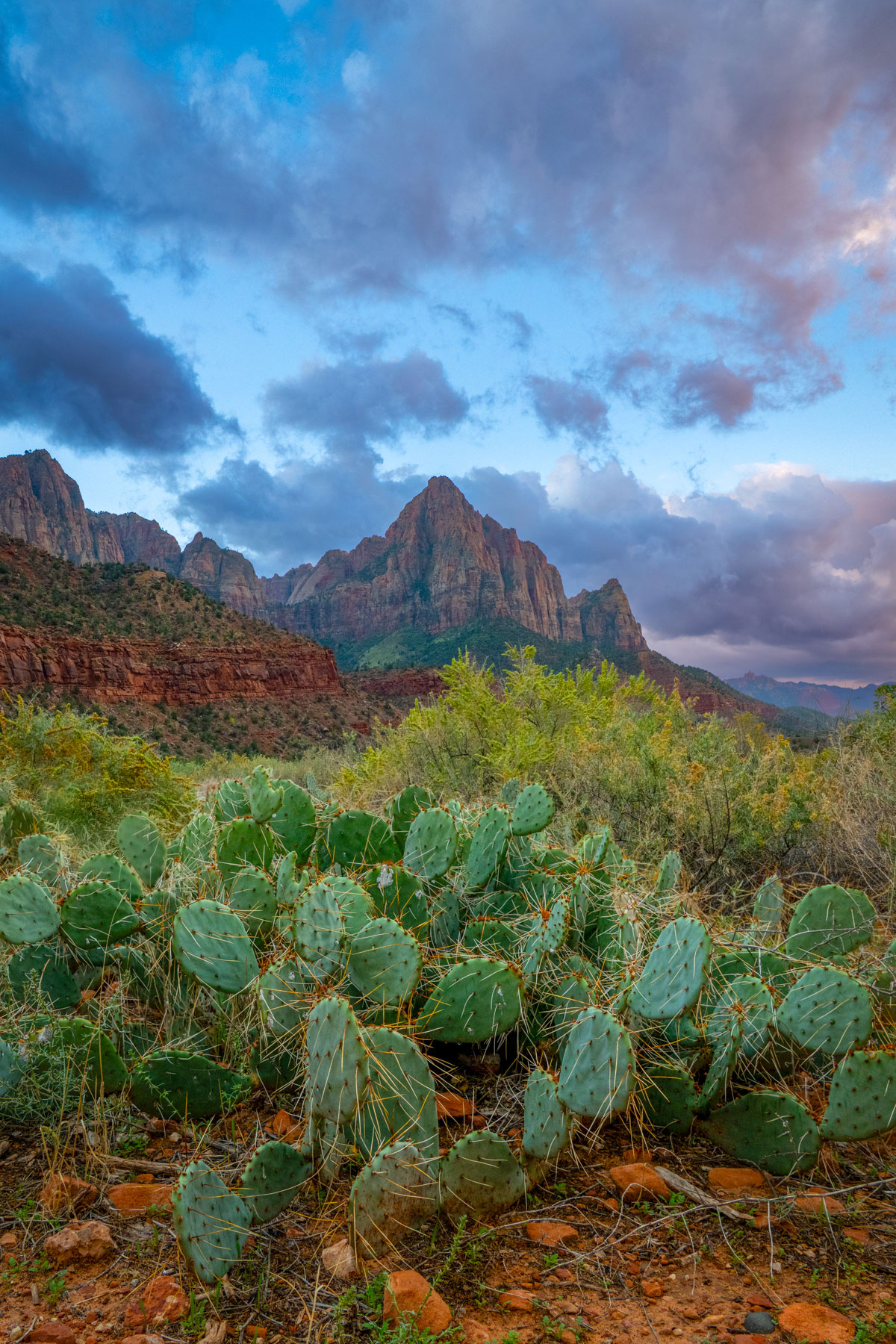
- The Locations: This post features imagery captured along two distinct areas of Zion National Park. The Watchman Trail is a steady climb that offers a bird’s-eye view of the Zion Canyon visitor center and the sprawling desert towers below. Further east along the Zion-Mount Carmel Highway lies Checkerboard Mesa, one of the park’s most famous landmarks.
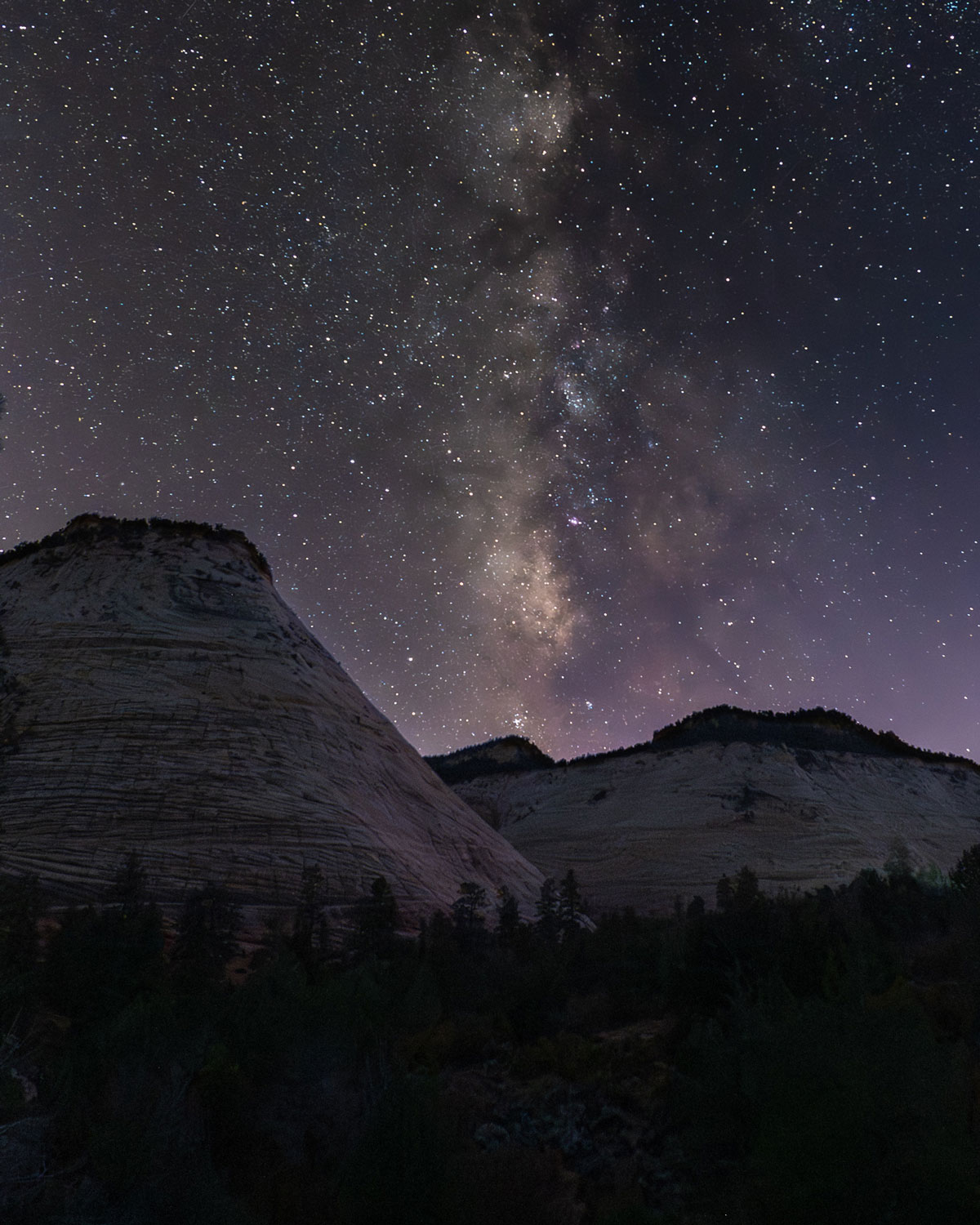
- Geological Context: Checkerboard Mesa is a prime example of “cross-bedding,” where ancient sand dunes were lithified into stone. The unique “checkerboard” pattern is created by a combination of horizontal bedding planes and vertical cracks caused by the expansion and contraction of the stone during the freeze-thaw cycles of the high desert.
- Visual Contrast: Photographing along the Watchman Trail provides an elevated perspective of the lower canyon’s lushness, while the eastern side of the park near the mesa feels more arid and otherworldly. The white and tan Navajo Sandstone provides a stark, minimalist backdrop for fine art photography, especially when the sun is low and casts deep shadows into the mesa’s etched grooves.
- Photography Tips: When shooting at Checkerboard Mesa, a telephoto lens can help compress the patterns of the stone, turning a massive mountain into an abstract work of art. For the Watchman Trail, a wider lens is better suited for capturing the sweeping curves of the trail against the backdrop of the towering sandstone monoliths.


0 Comments