
One of the hardest lessons to learn is to quit chasing happiness. I once heard a monk being interviewed, and when asked if he was happy, he replied, “No, but I am at peace.” That struck me deeply. In that moment, something clicked. Happiness is a brief moment, and like all moments, it fades. Constantly chasing those fleeting highs is no different than an addict chasing a fix.
Finding peace for your soul will last far longer. Peace is the food your soul actually needs. I don’t say these words as someone who has it all figured out. I say them as someone who suffers from the anxiety of the past, the present, and the future every single day. What I have figured out is the peace my soul feels when it’s just me, the earth, and the light. I hope you sit with this and find your own meaning in this life.
Behind the Lens: A Guide to Death Valley Landscape Photography
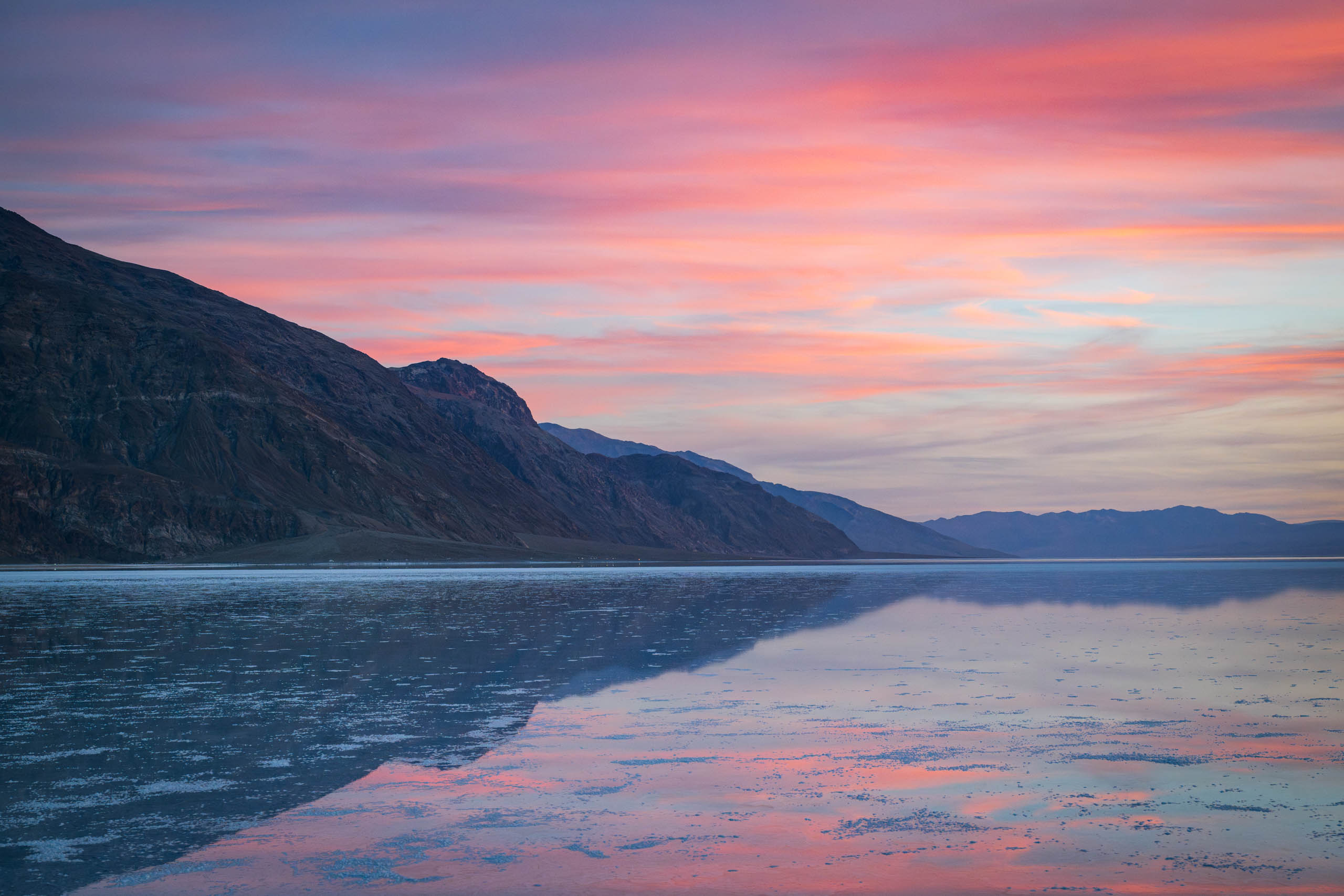
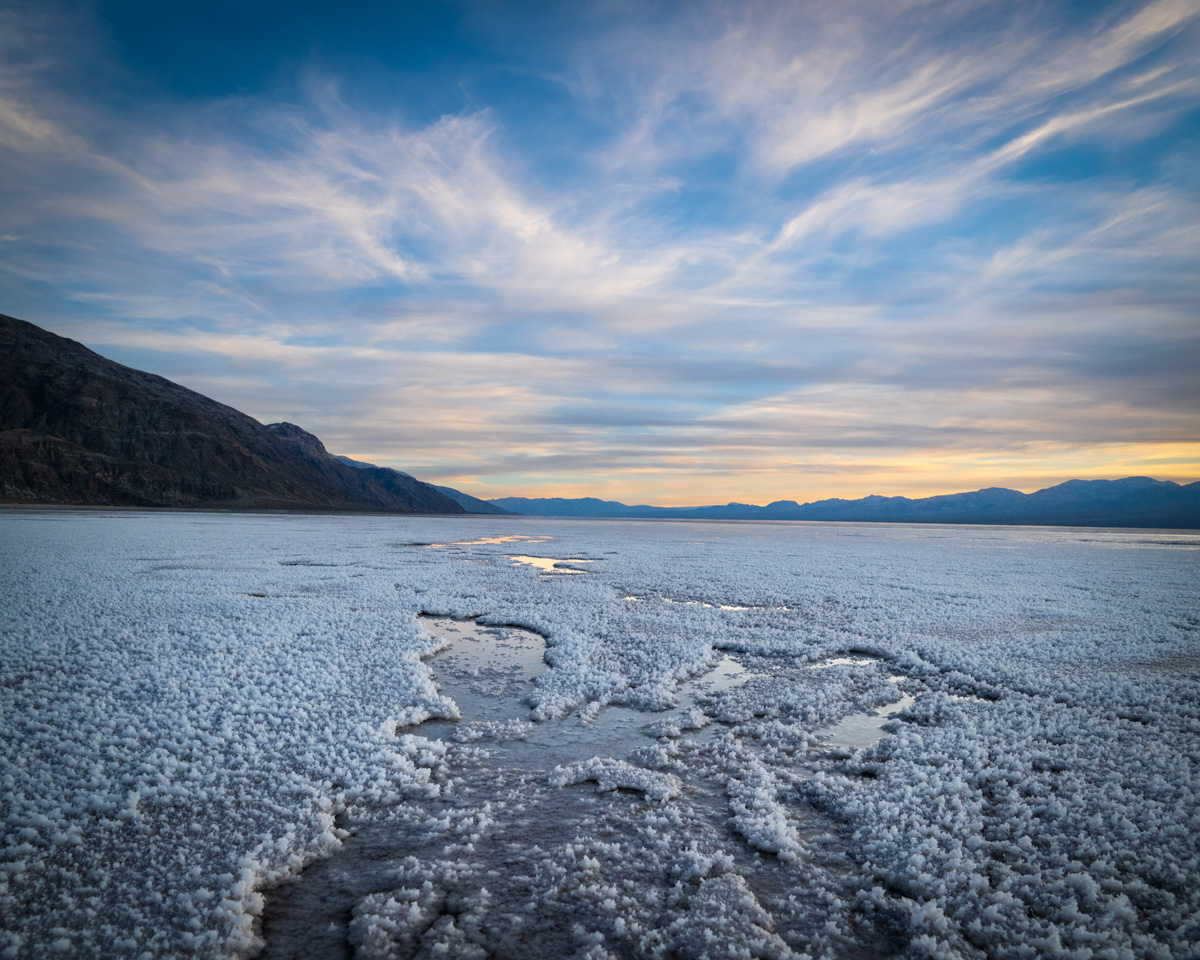
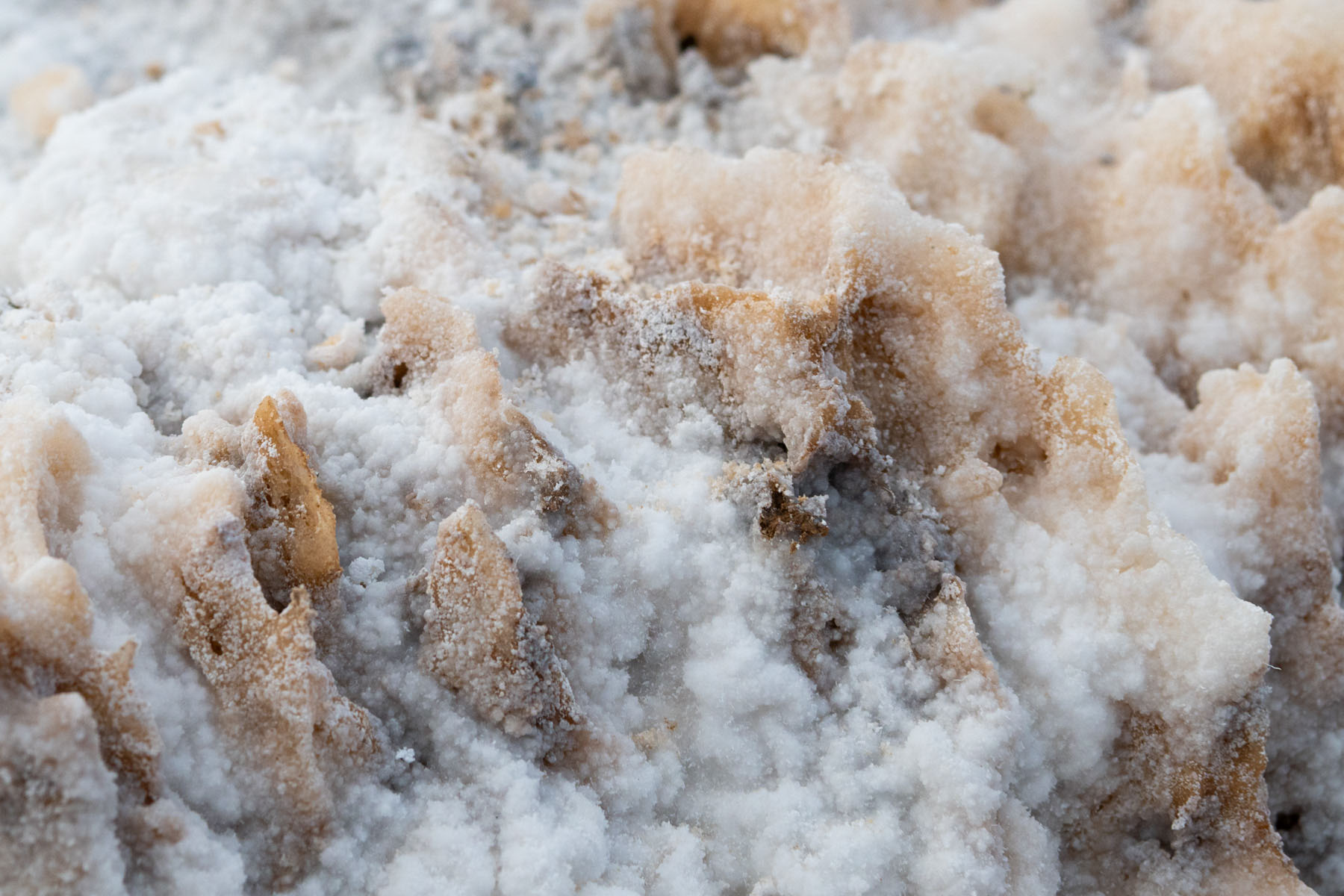
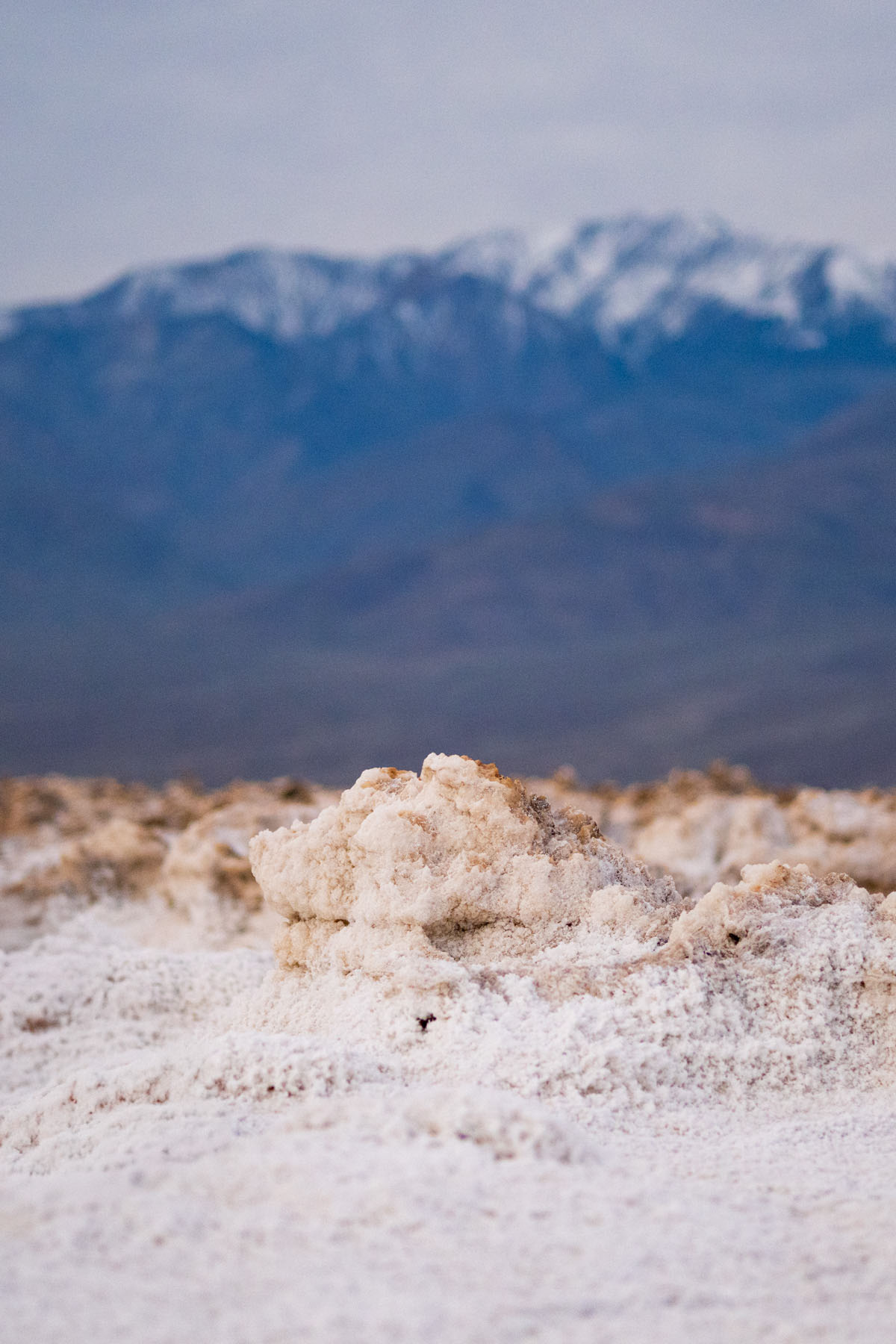
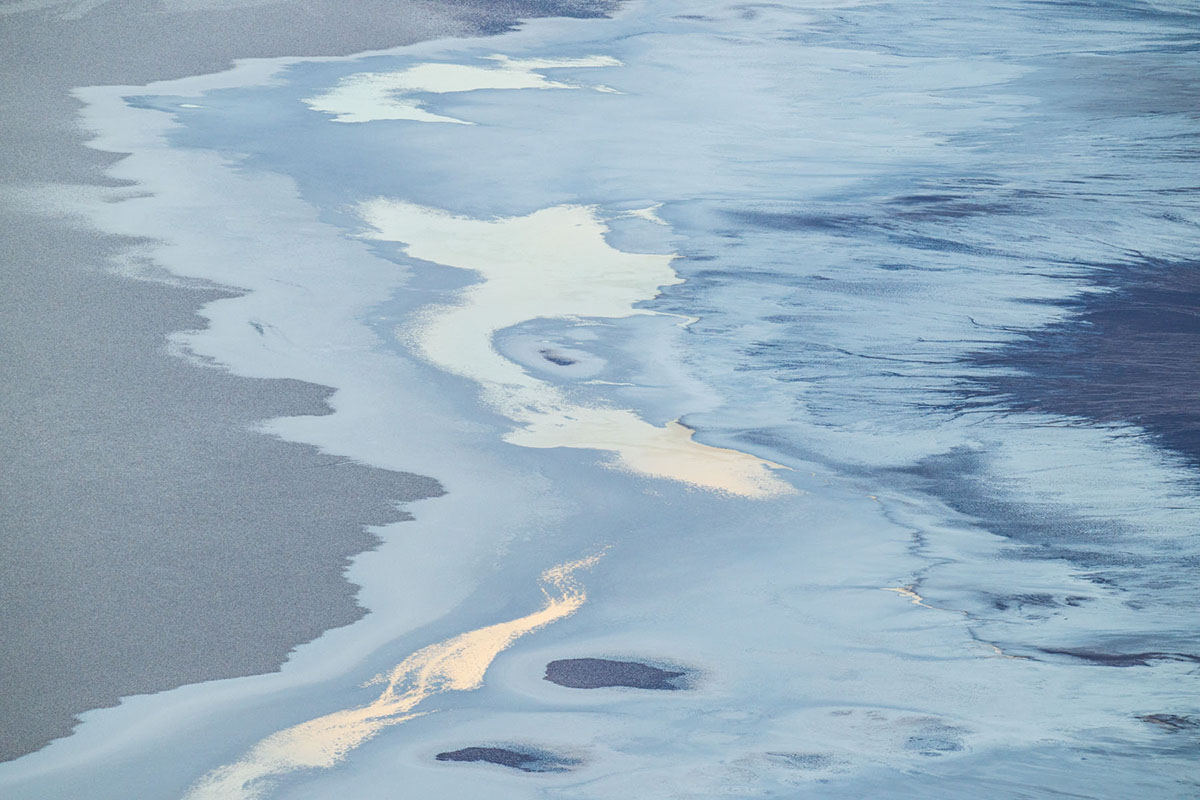
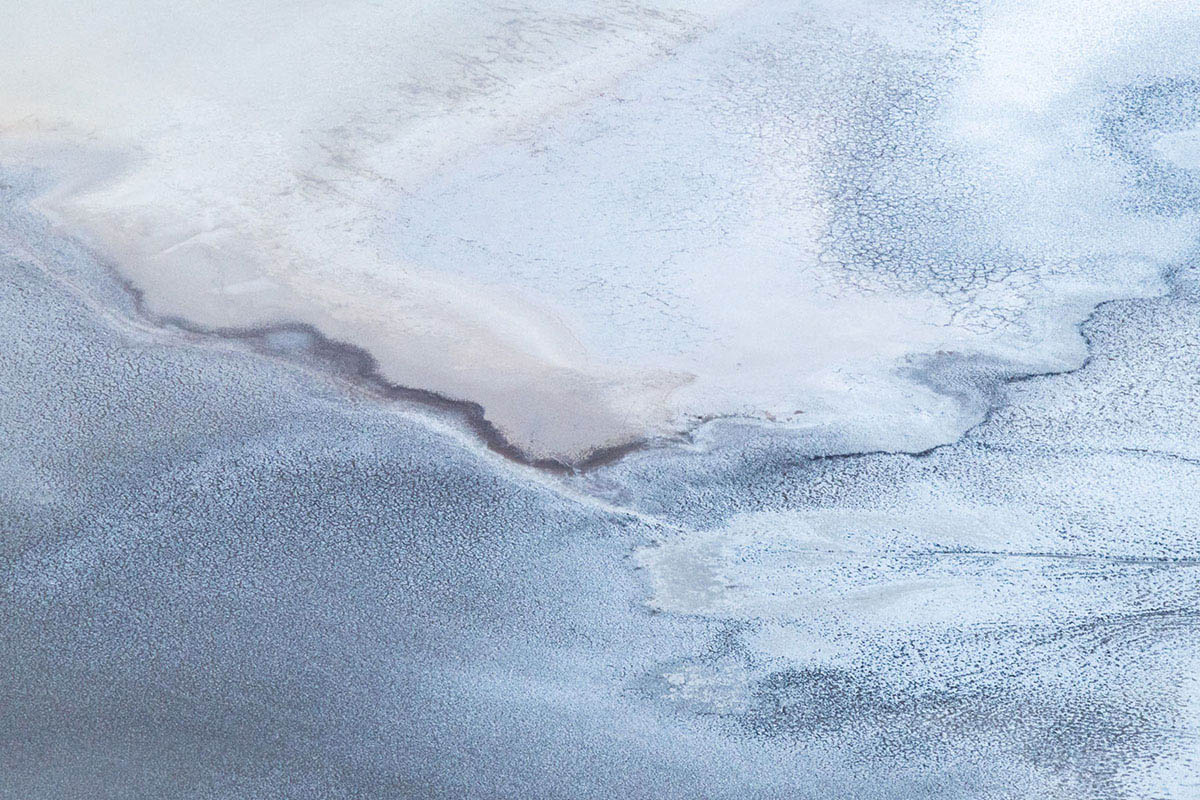
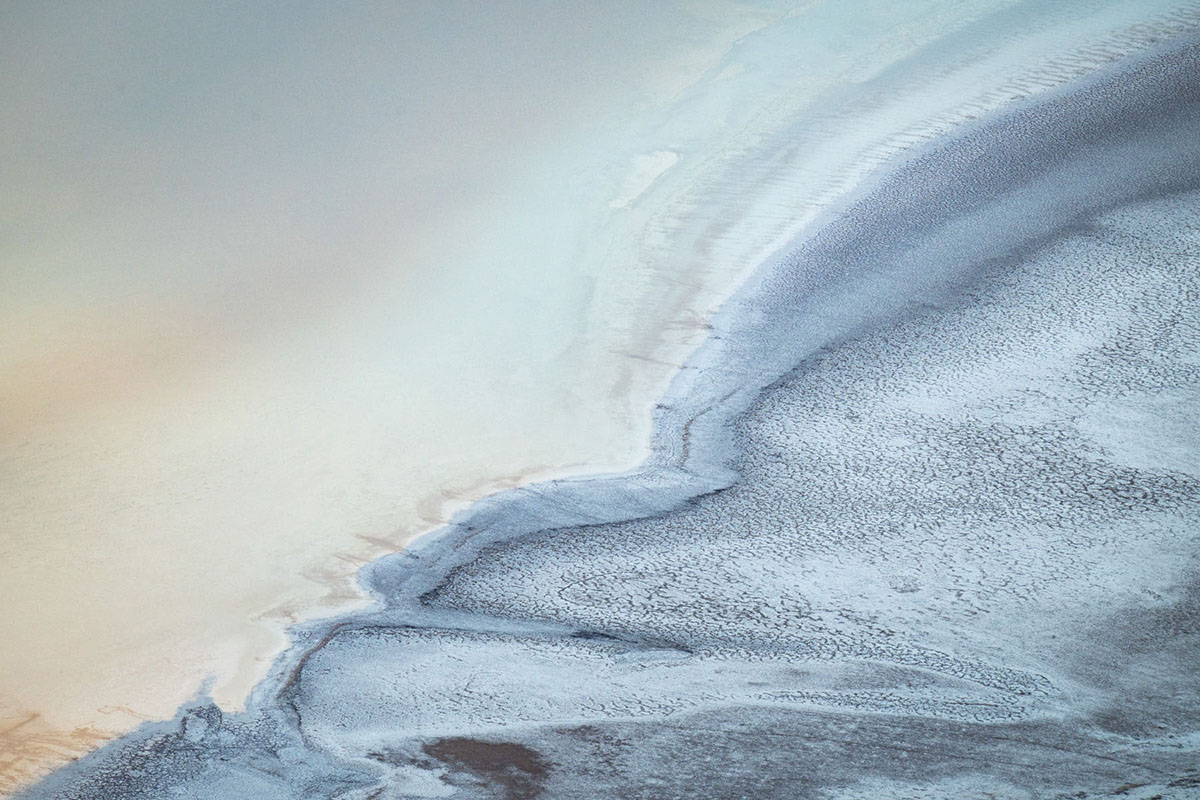
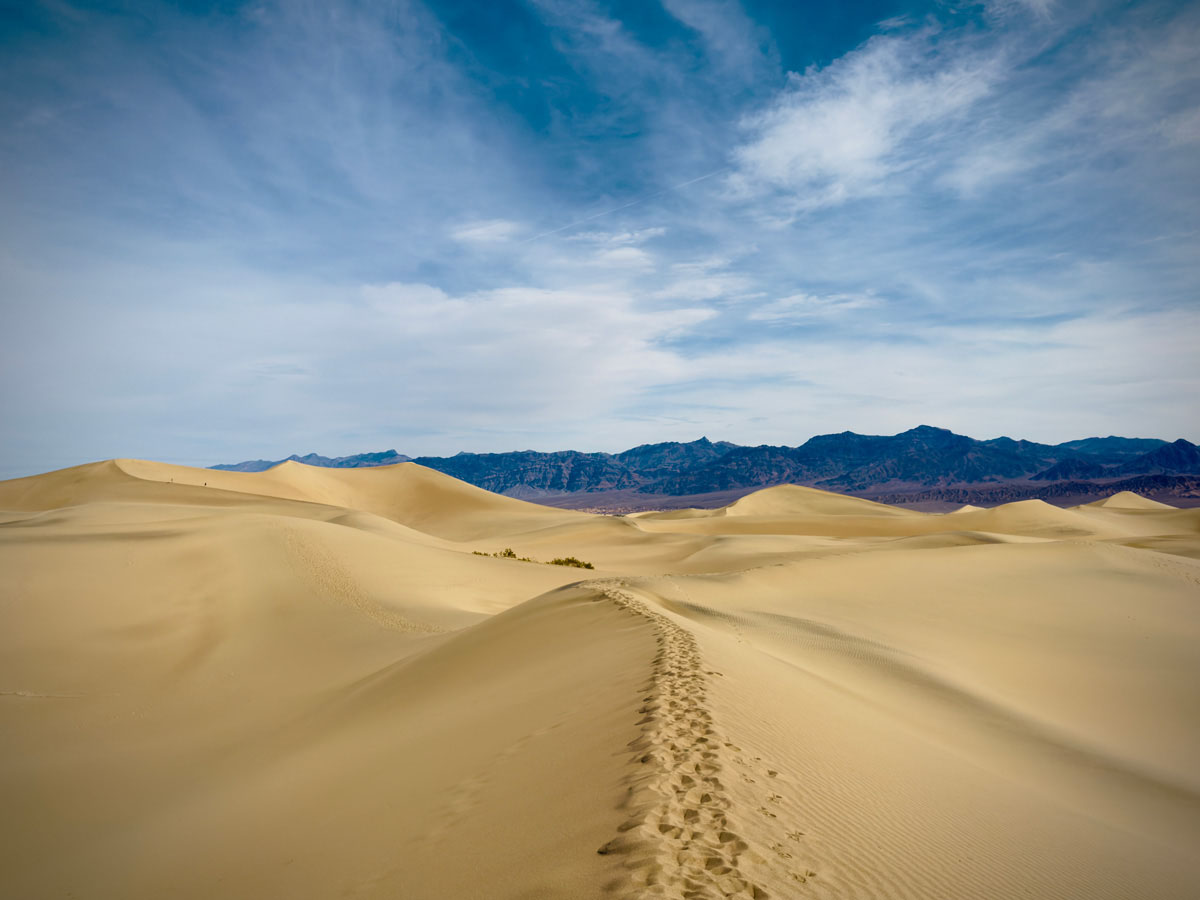
Successfully executing Death Valley landscape photography requires a balance of planning, vision and technical know how of your camera gear. Geographically, the park offers a diverse range of subjects, from the sandy Mesquite Flat Sand Dunes to the expansive salt crusts of Badwater Basin. These salt polygons, formed by the evaporation of minerals in this basin, provide exceptional foreground interest and leading lines that draw the viewer’s eye toward the horizon.
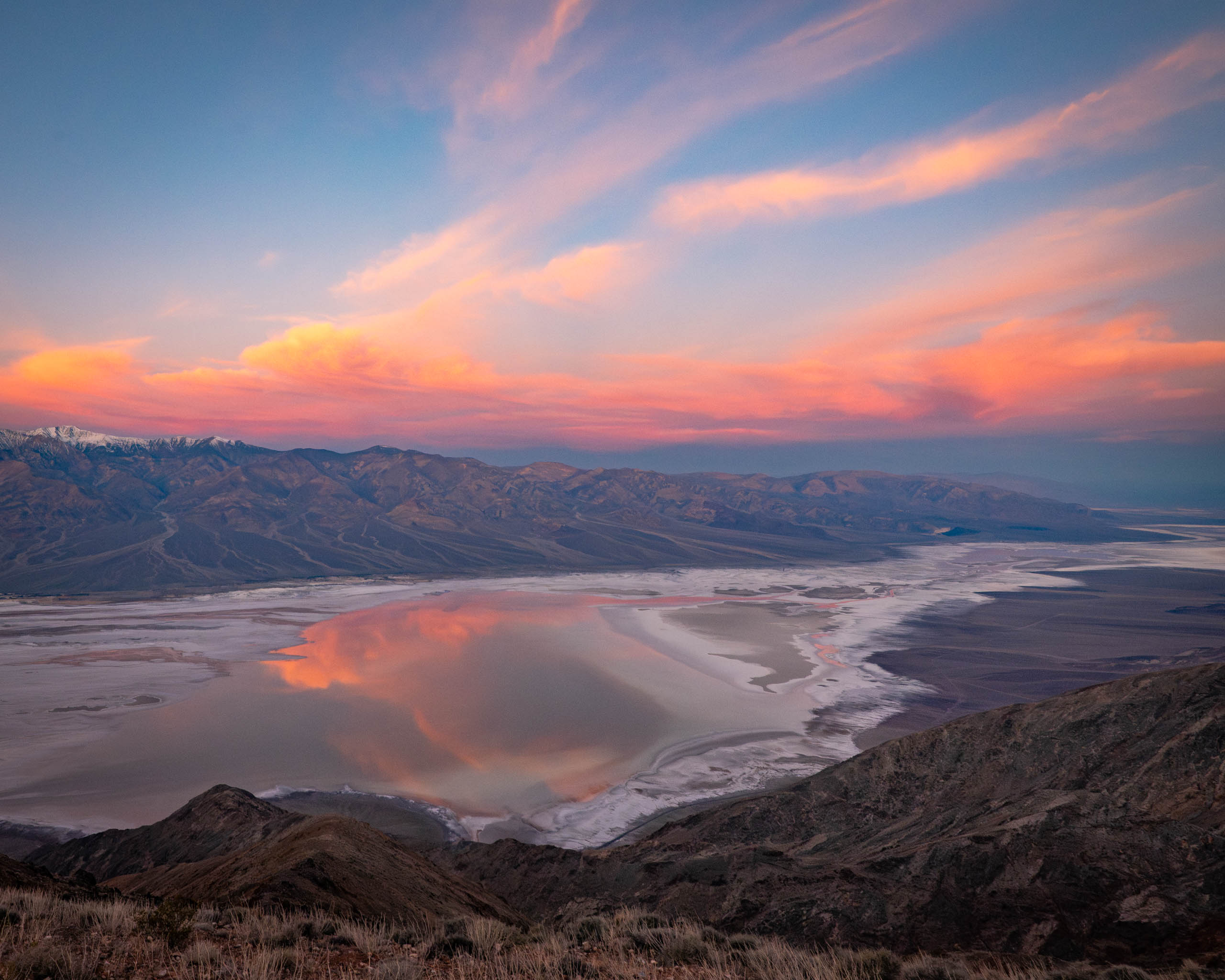
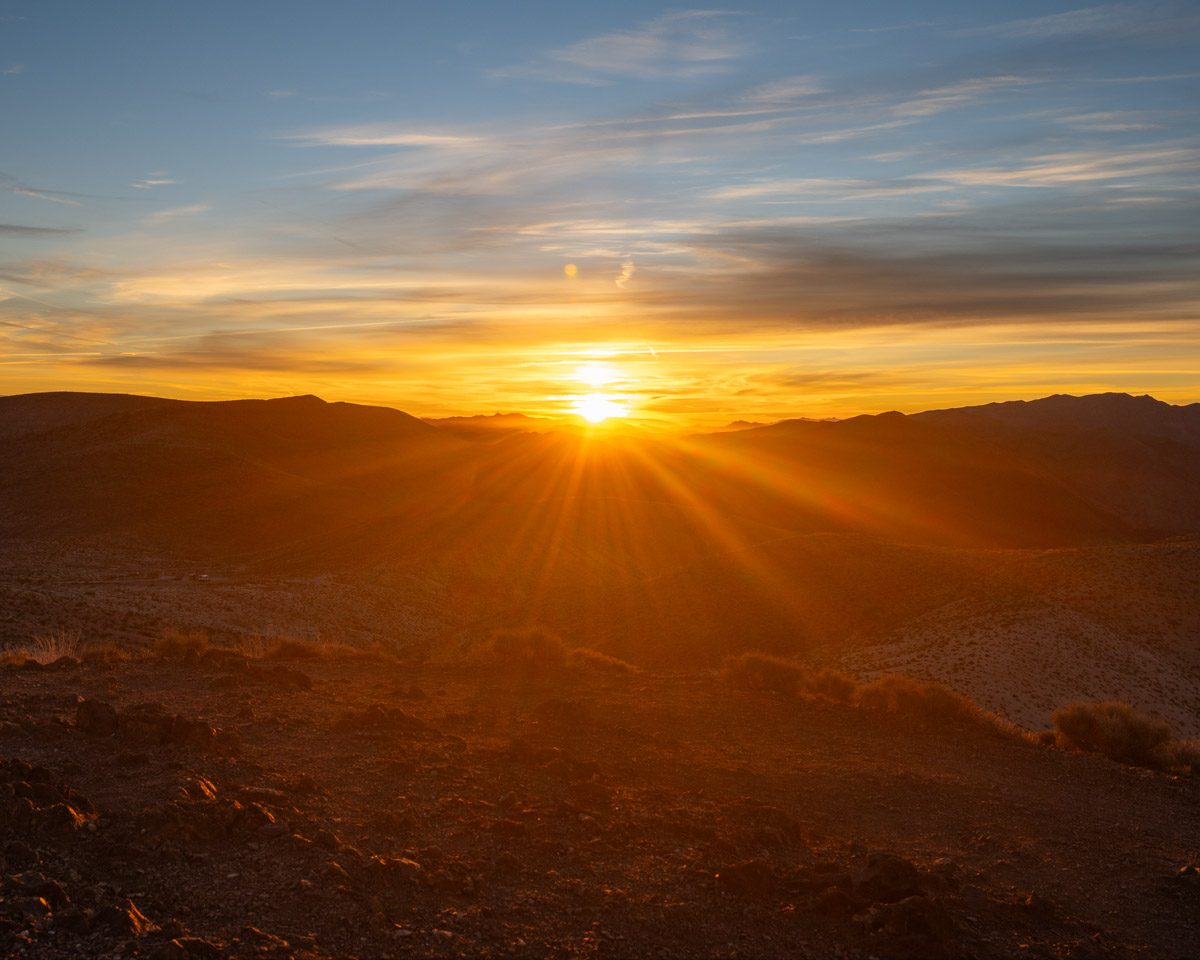
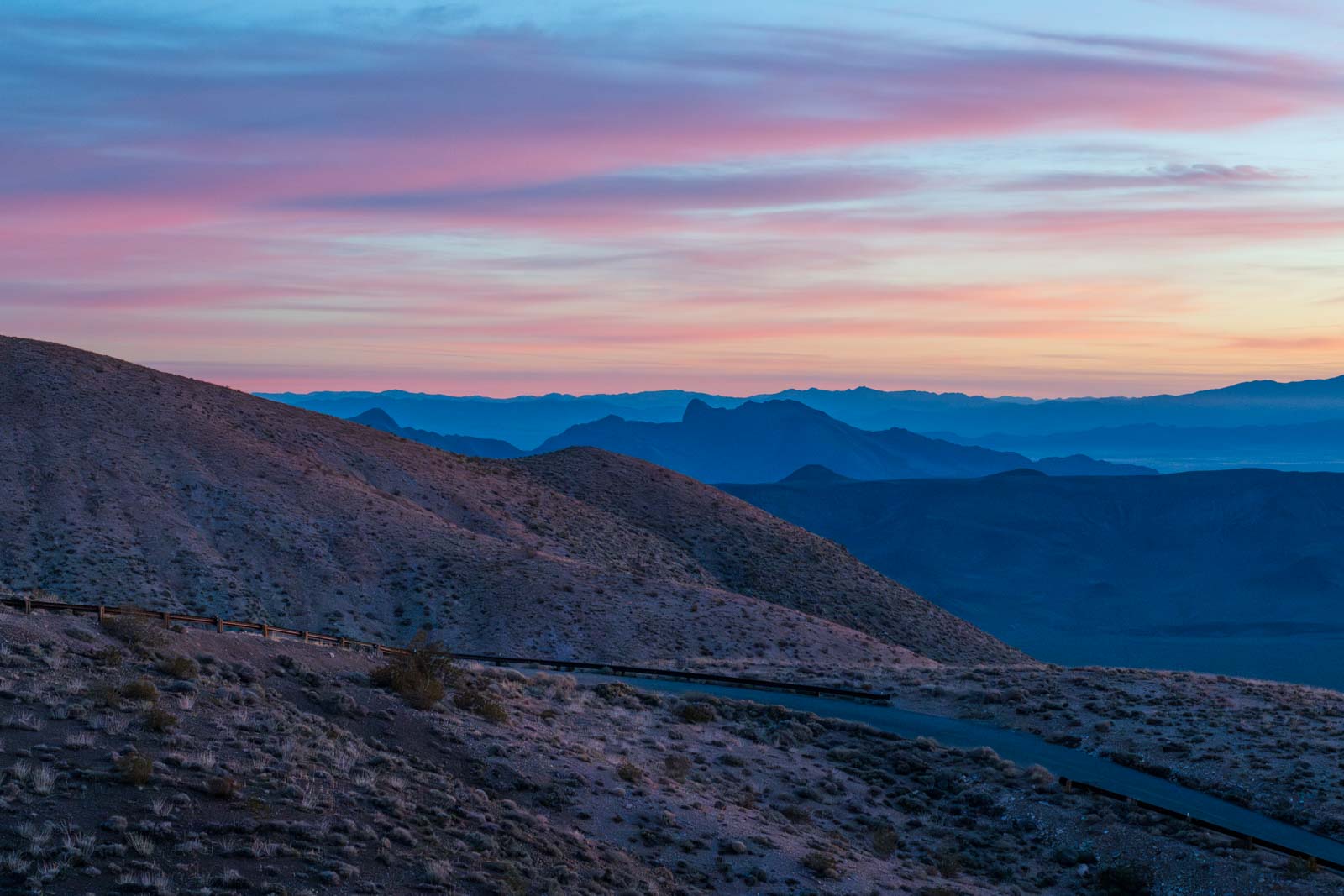
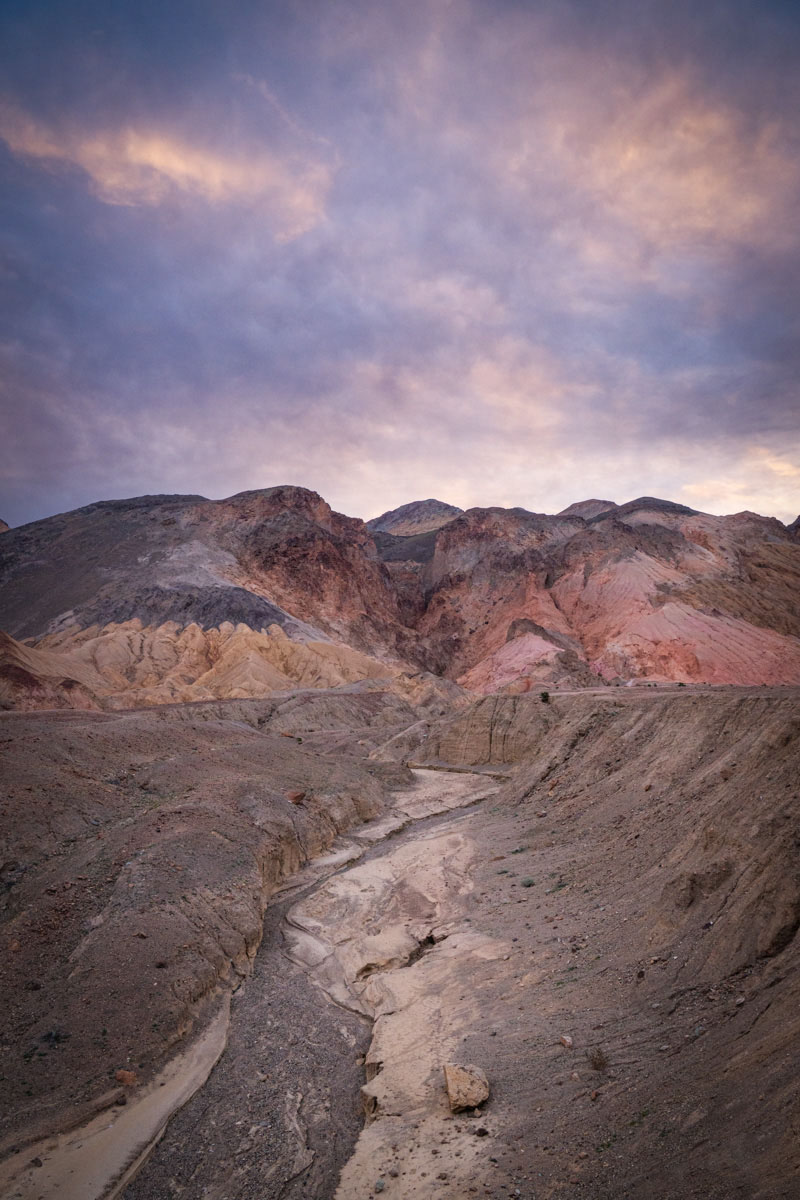
Golden Hour at Death Valley National Park
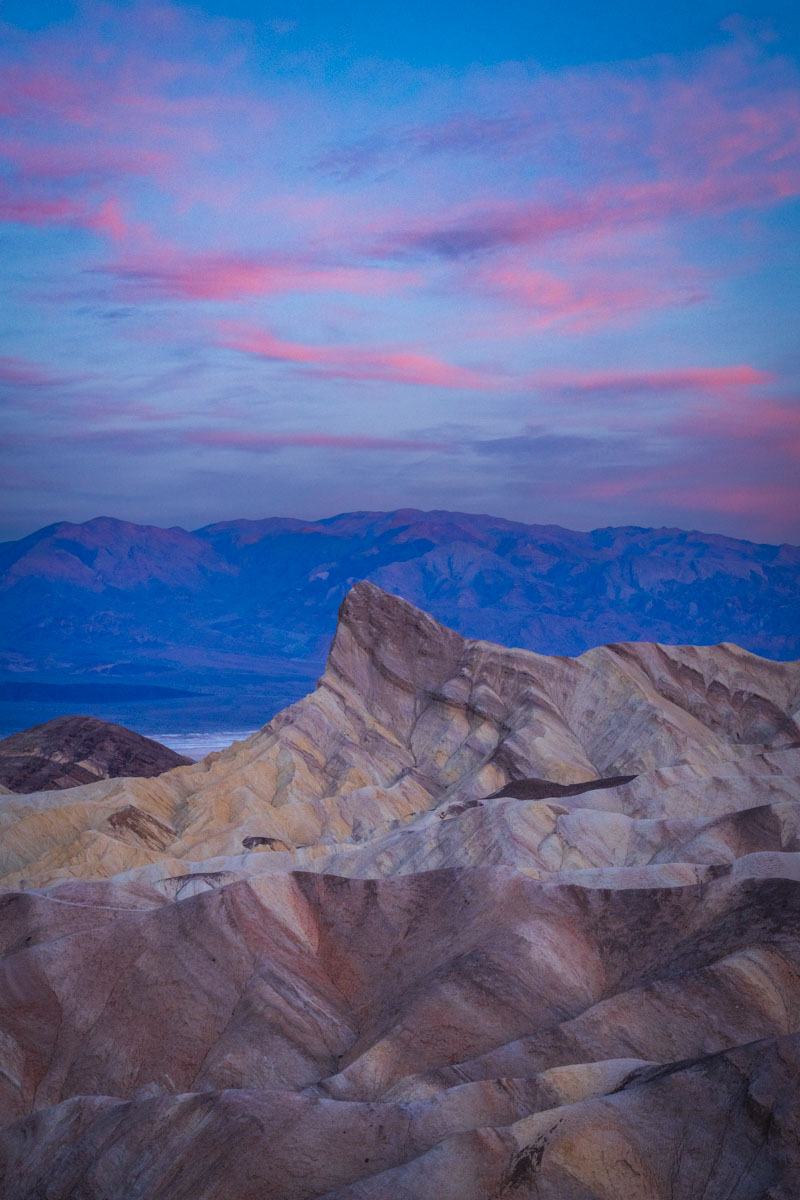
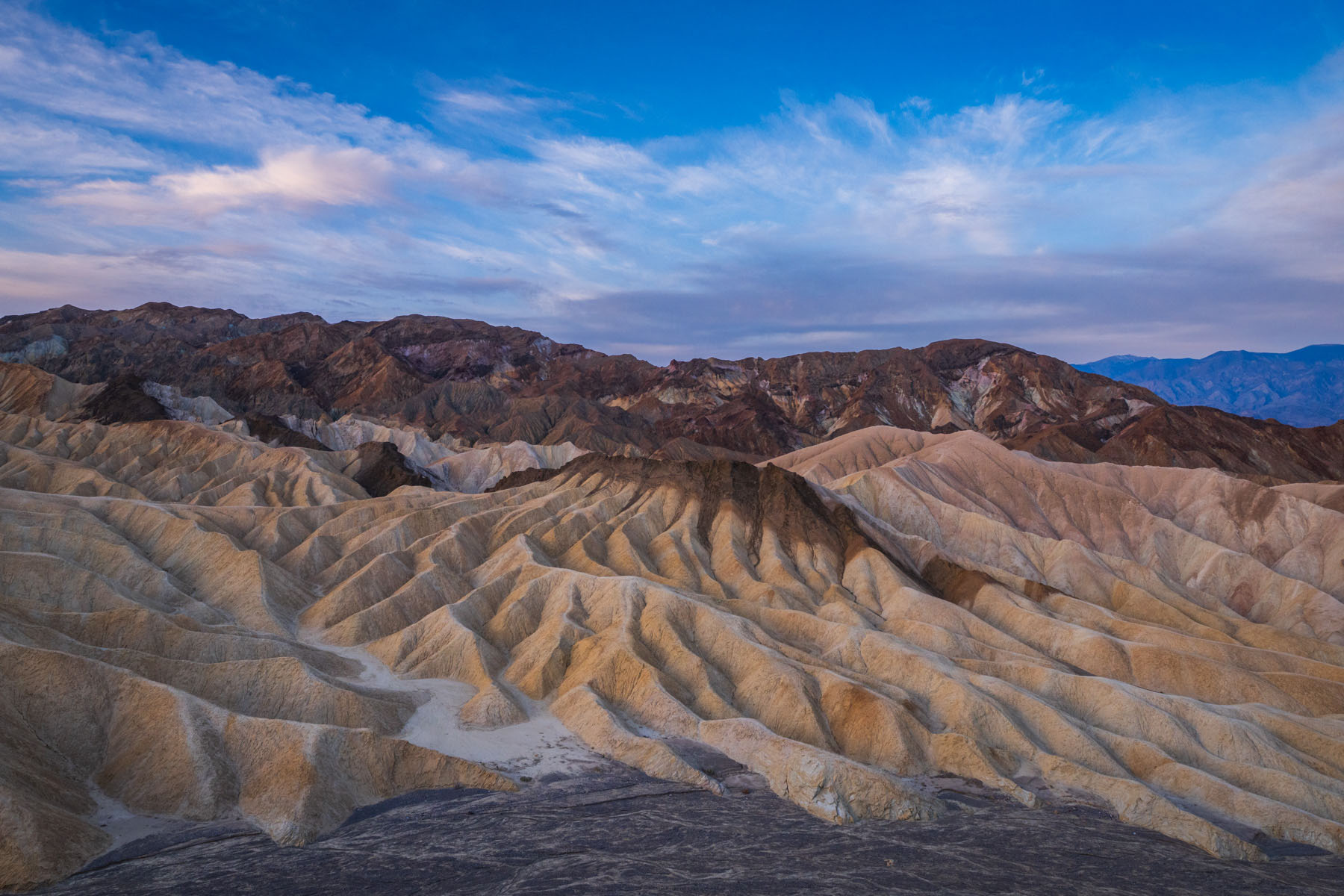
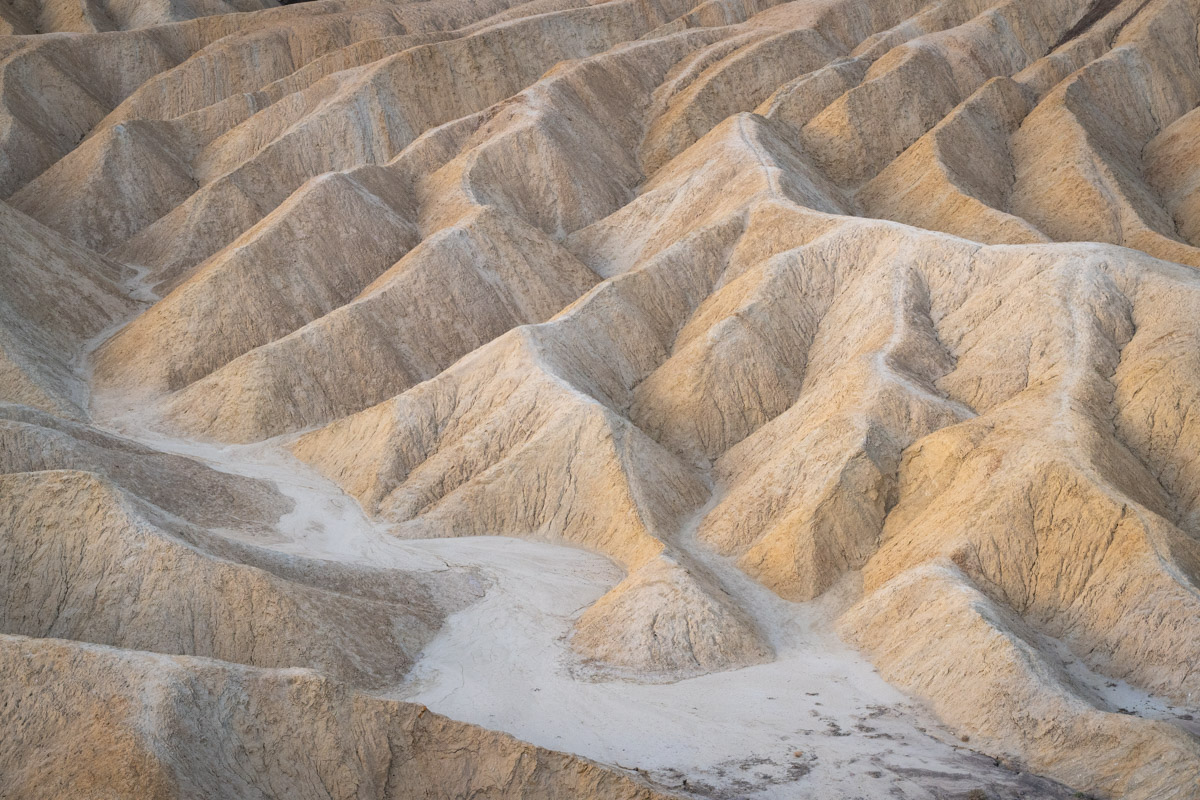
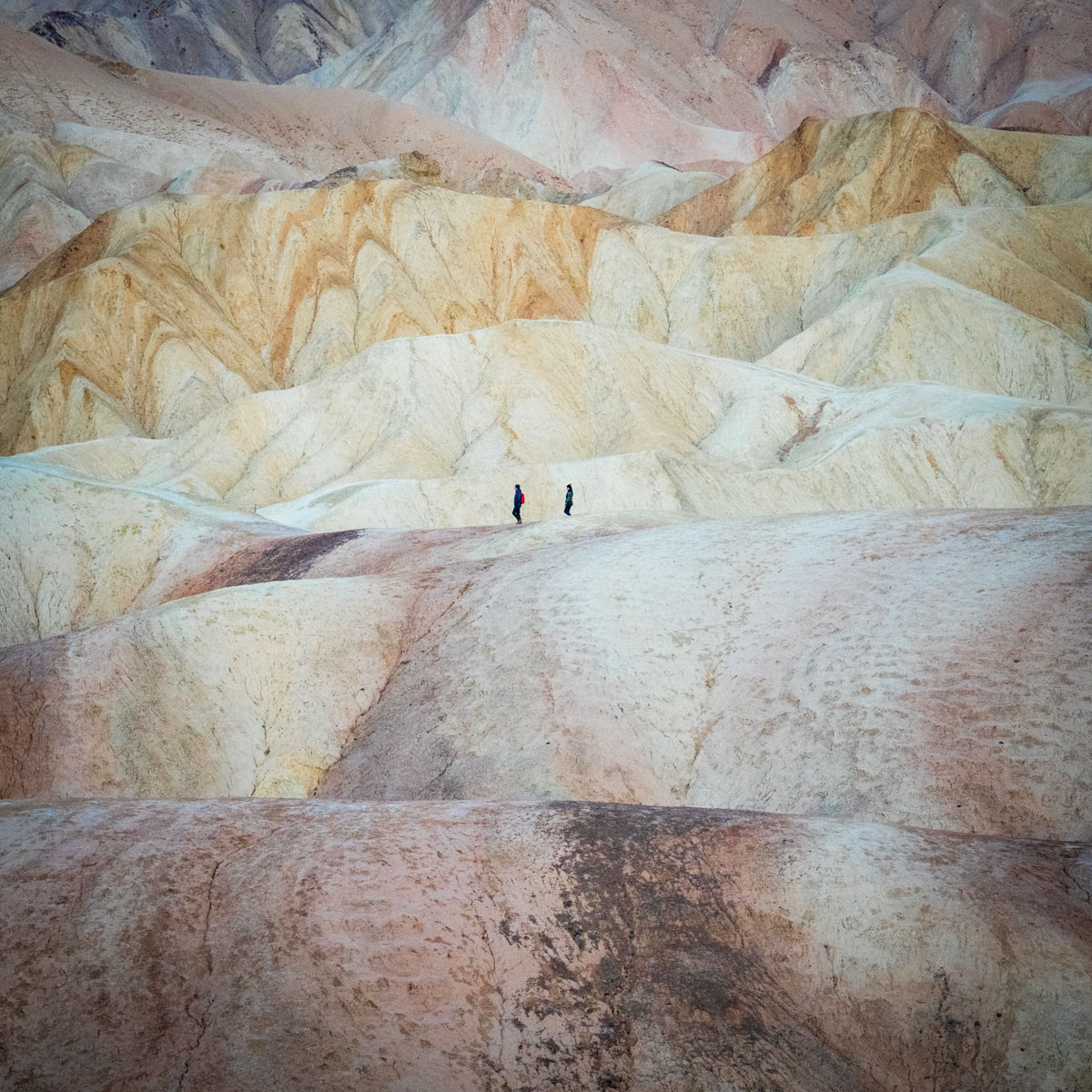
To capture the best photos in the desert, I focus on the Golden Hour. The low-angled sun brings out the geological textures of the valley, creating high-contrast scenes that define the American Southwest. I typically shoot with a narrow aperture (f/10 or above) to maintain a deep depth of field. Because the light changes rapidly in the desert, using a sturdy tripod is eventually needed for long exposures as the sun dips below the Panamint Range. However with today’s camera’s ISO improvements, I find that I can go handheld for most of Golden Hour.
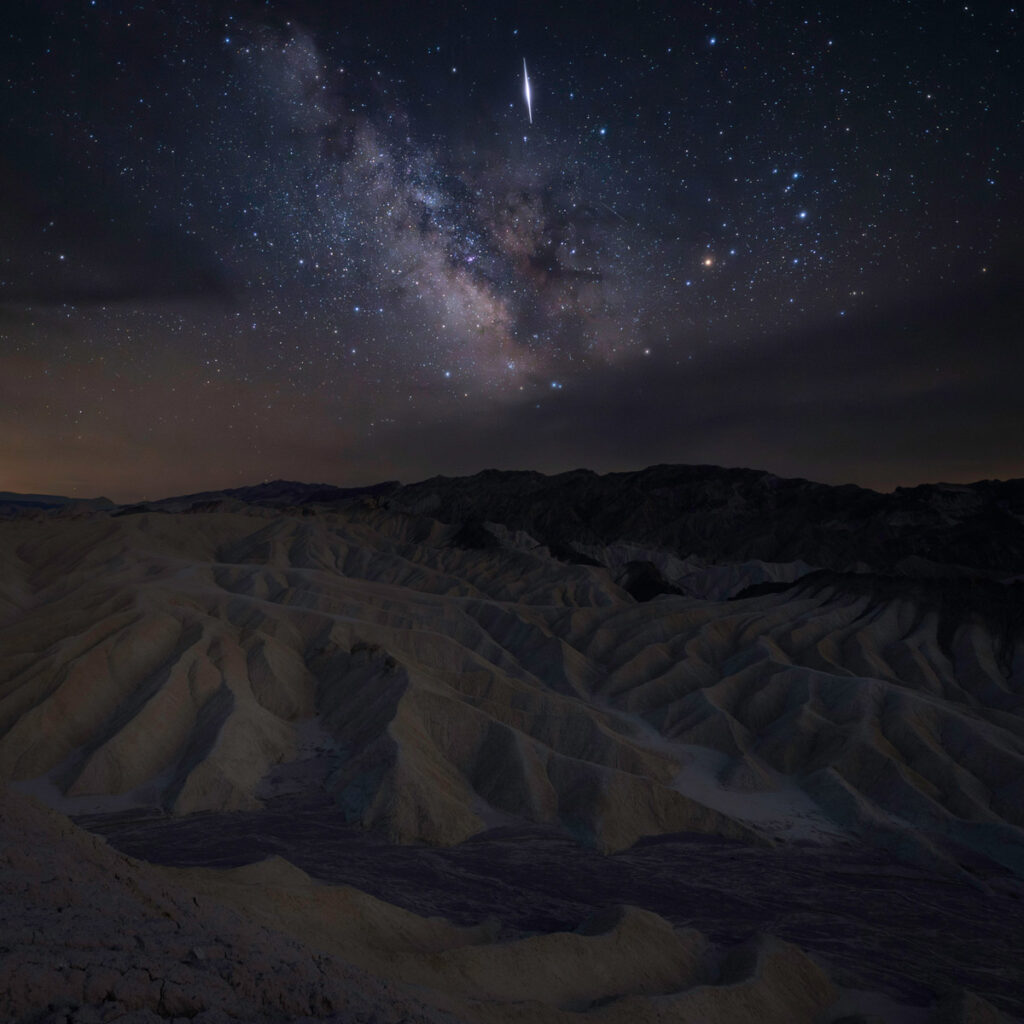
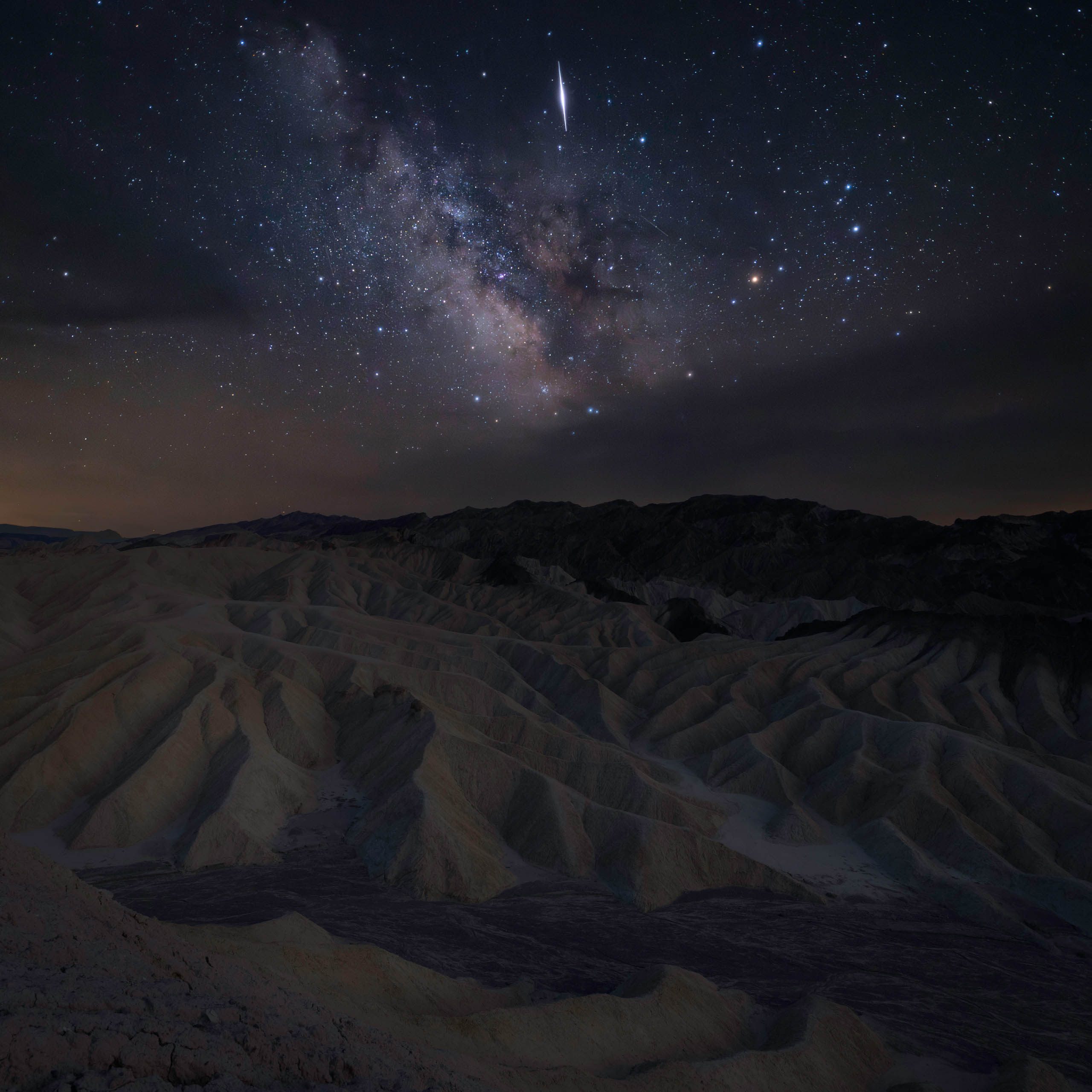
Astrophotography: The April Milky Way
For photographers visiting in April, the Death Valley landscape offers a second act. This month marks the return of the Milky Way Galactic Core, which rises in the East-Southeast during the early morning hours. To capture the stars as sharp points of light, I utilize the NPF Rule to avoid star trailing, usually staying within the 15–20 second range for a wide-angle lens. While you can take an single exposure, you will not always capture the detail of the foreground. I will always take multiple exposures for both night sky and foreground. Sometimes I will capture the same scene during blue hour in order to get more detail from the foreground. No matter what route you take for exposures, these are easily blended together in photoshop.
Protecting Your Gear from the Elements
A critical, often overlooked aspect of photography in this region is gear preservation. The environment can deceptively hostile; beyond the pervasive dust, the salt in Death Valley is highly corrosive and abrasive. Setting a camera bag directly on the salt flats can damage it, as the sharp crystals can tear through nylon or just leave hard to remove residue. Shoe & boots will also be covered in dirt, sand, salt or all of the above. I recommend keeping mindful of your equipment, and always rinsing your items with fresh water after every session to prevent permanent salt pitting.
Bring the Stillness Home
If the peace of the desert resonates with you, consider bringing a piece of it into your own space. This work, along with the rest of My Gallery, is available as archival-quality fine art prints. Each print is produced with meticulous attention to detail, ensuring the “earth and the light” of Death Valley are preserved in every frame.
- The Journey Continues: See more from the Southwest Project.
- The Philosophy of Light: Read about my path in The Artist’s Journey.

0 Comments